vegetable protein

Disclaimer: this is not a rah rah meat post. I love meat. I also love vegetables.

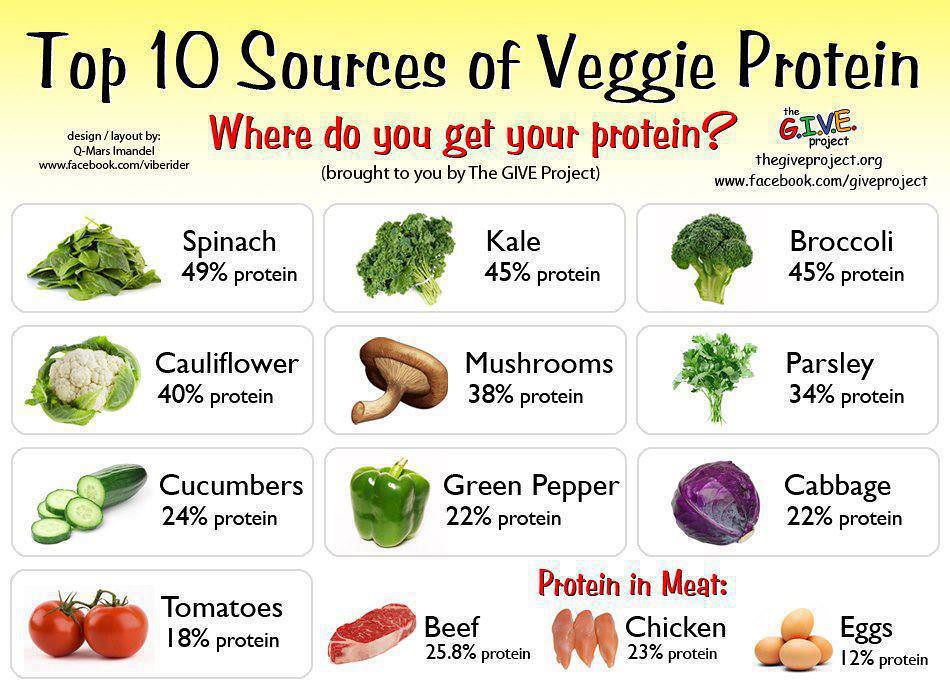
So, I normally don’t bite on stupid facebook memes, but this one is so egregiously stupid I had to comment – especially because nutrition is a pet topic/peeve of mine. So this image is floating around facebook:
veggies

So, you don’t have to be a nutritional expert to get the impression these numbers are … amiss. Cucumbers? 24% protein? So, I can’t pretend to know where they got these numbers, but the numbers for beef, chicken and egg are accurate, as a calculation of % protein by weight. So I fixed the image using that as a calculation for the vegetables:
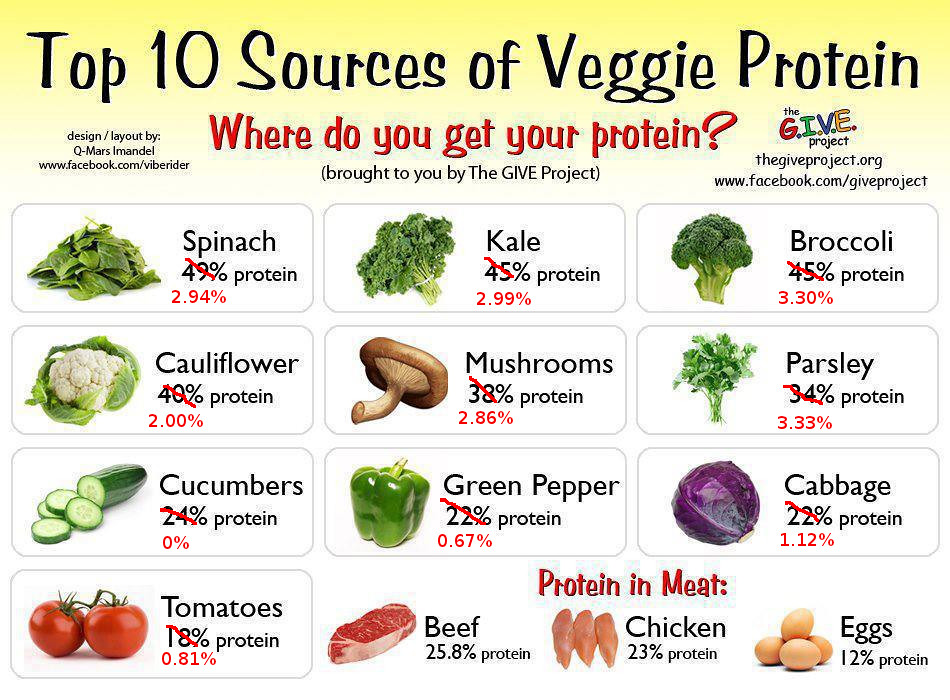
veggies_fixed1

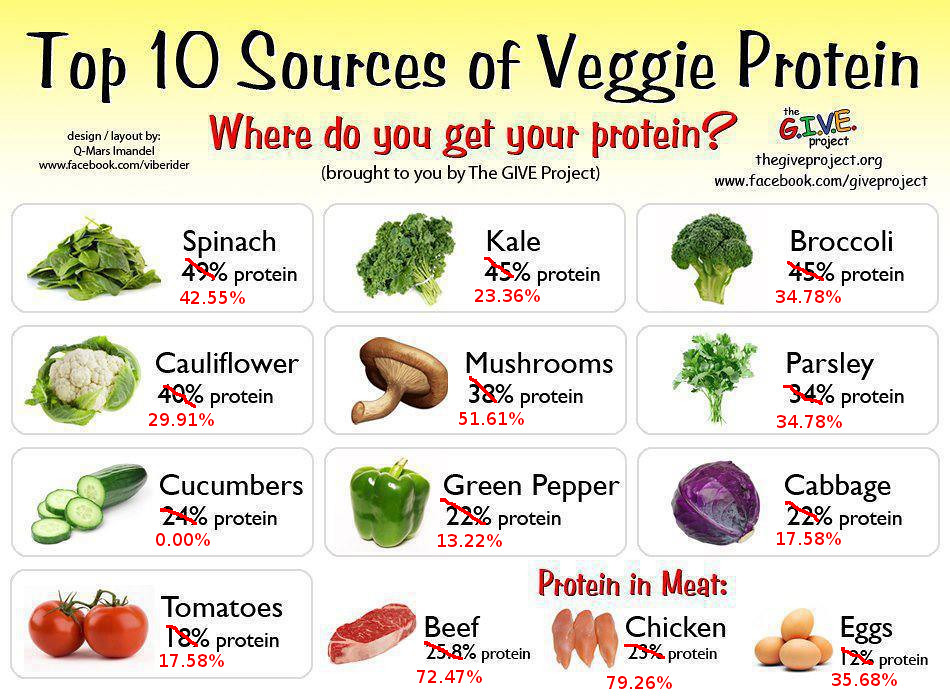
These are a little off in some regards – I used small gram amounts, so some figures yielded 0g when really there’s some fractional amount. Also, to be fair, using percentages by weight doesn’t really mean anything. What you should really look at is percentage by kilocalorie content. So here’s the real version fixed:
veggies_fixed2

Spinach is awesome. This is why I eat bales of it. I think my favorites on this list are cucumbers, which have hardly any protein at all. That, and parsley. Listing parsley on a protein content infographic is hilarious. I would love to watch someone eat enough parsley to get their RDA of protein.


Comments

Values can all be looked up at http://ndb.nal.usda.gov/ndb… - easiest way to understand as a percent is to look at the value in grams per 100g column, which yields 12.58g/100g (or 12.58%) for a boiled egg, 28.5 for beef tenderloin, 2.82 for broccoli, and .65 for cucumber (w peel).

Excellent!

Kate O'NeillApril 03, 2013 at 20:31 · reply

I see how they arrived at the 49% for spinach. In the USDA listing for raw spinach (http://ndb.nal.usda.gov/ndb… “http://ndb.nal.usda.gov/ndb/foods/show/3151?fg=Vegetables+and+Vegetable+Products&man=&lfacet=&format=&count=&max=25&offset=&sort=&qlookup=spinach)”), it shows that there are 23 kilocalories of energy and 2.86 g of protein per 100 g. Since the energy density of protein is 4 kcal/gram, they would have multiplied 2.86 g of protein by 4 kcal/gram to get 11.44 kilocalories, and then divided that into 23 kilocalories to get .497, or 49.7% of the kilocalories represented are from protein.

Having said that, though, I haven’t validated the rest of the list, so I cannot vouch for the relative percentages.

Yeah, spinach is the only one that was close.. mmm, spinach.

Kate O'NeillApril 03, 2013 at 20:42 · in reply to 20130403203214-275a70ca · reply

Well, some of the other ones aren’t quite as egregiously wrong as you’re depicting, though, at least by this measure. Using this approach, cucumbers with peel come in about 17.3%. Without peel, about 19.7%. I don’t know how they arrived at 24%, but by this measure their protein content is not 0%.

I used the numbers from nutritiondata.self.com, which seem to have a lot of weird problems – for example, they are using something like 11.1/2.37/3.62 fat/protein carbs kcal/g instead of the more traditional 9/4/4 .. no idea why. The data I used is here: https://docs.google.com/a/q… – I’d rerun it with the DB above but I’m lazy.

fancycwabsApril 03, 2013 at 20:44 · reply

Maybe it’s “percent protein per calorie” instead of “percent protein per unit of weight” in which case cucumbers run about 20%. It also explains why they picked low-carb and low-fat vegetables instead of traditional “high-protein” vegetables, like legumes.

Thanks! Your comment has been submitted and will appear shortly.


Leave a comment